Sage Green Bedroom Ideas for a Room That Feels Calm All Year
Why sage green works in a bedroom, the three ways to use it, what to pair it with, and how your window changes the color. A plain-spoken guide from someone who painted her guest room twice.

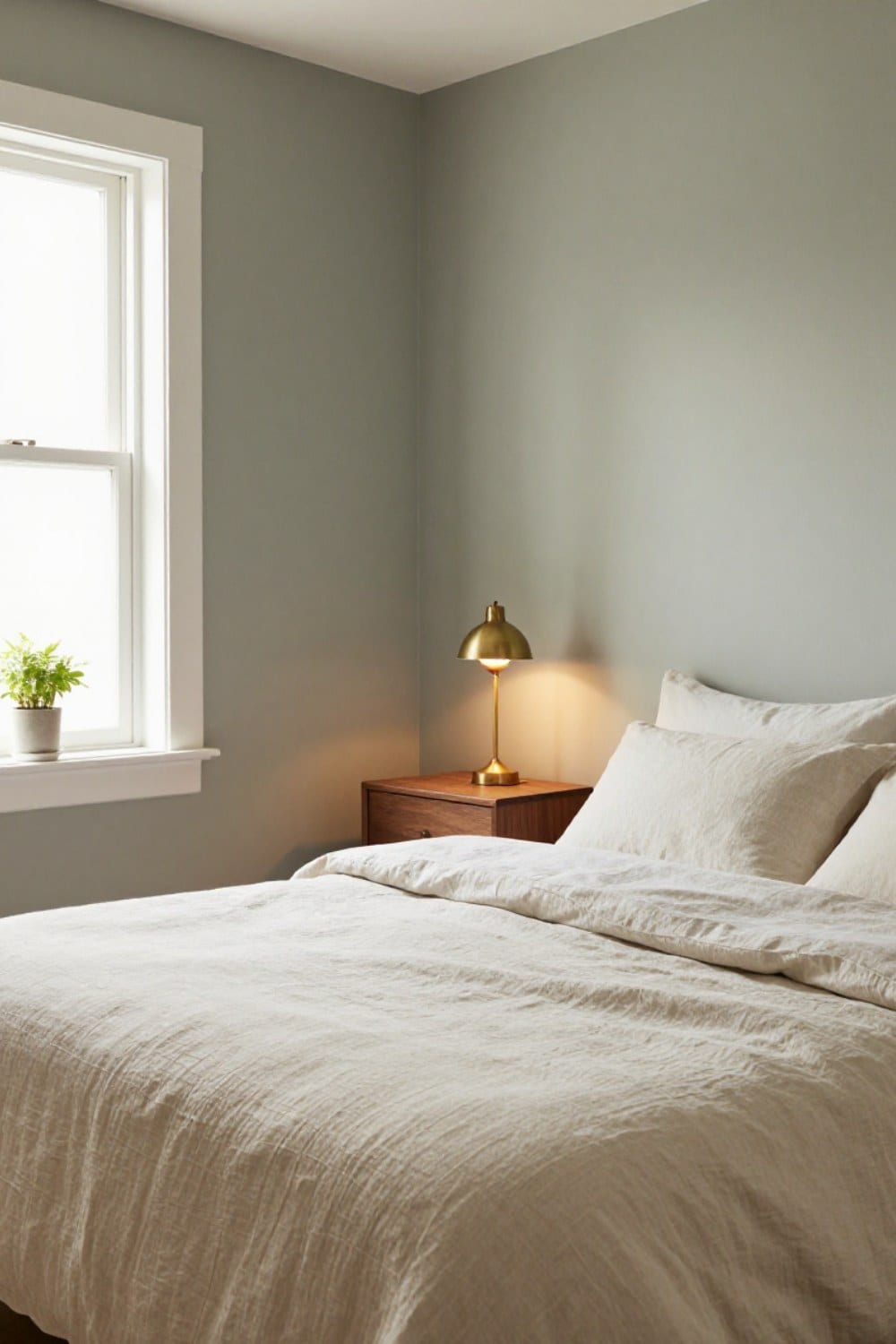
Most sage green bedroom ideas online show you the finished room and skip the part that matters, which is why the same green looks calm in one house and like a clinic hallway in the next. I painted our guest room sage three years ago, got it wrong the first time, and have been getting it right ever since.
Here's the short version. Sage is green with the volume turned down. It has gray in it, so it never shouts, and that's why you can sleep beside it for years without getting tired of it. But a gray-green is also a color that borrows. It takes warmth from whatever sits next to it and chill from the light outside the window, and a room that ignores that goes flat or minty fast.
This is the hub for the whole green bedroom set. Read it for the big picture, work out which kind of green you're really after, and the guides linked along the way pick up the details.
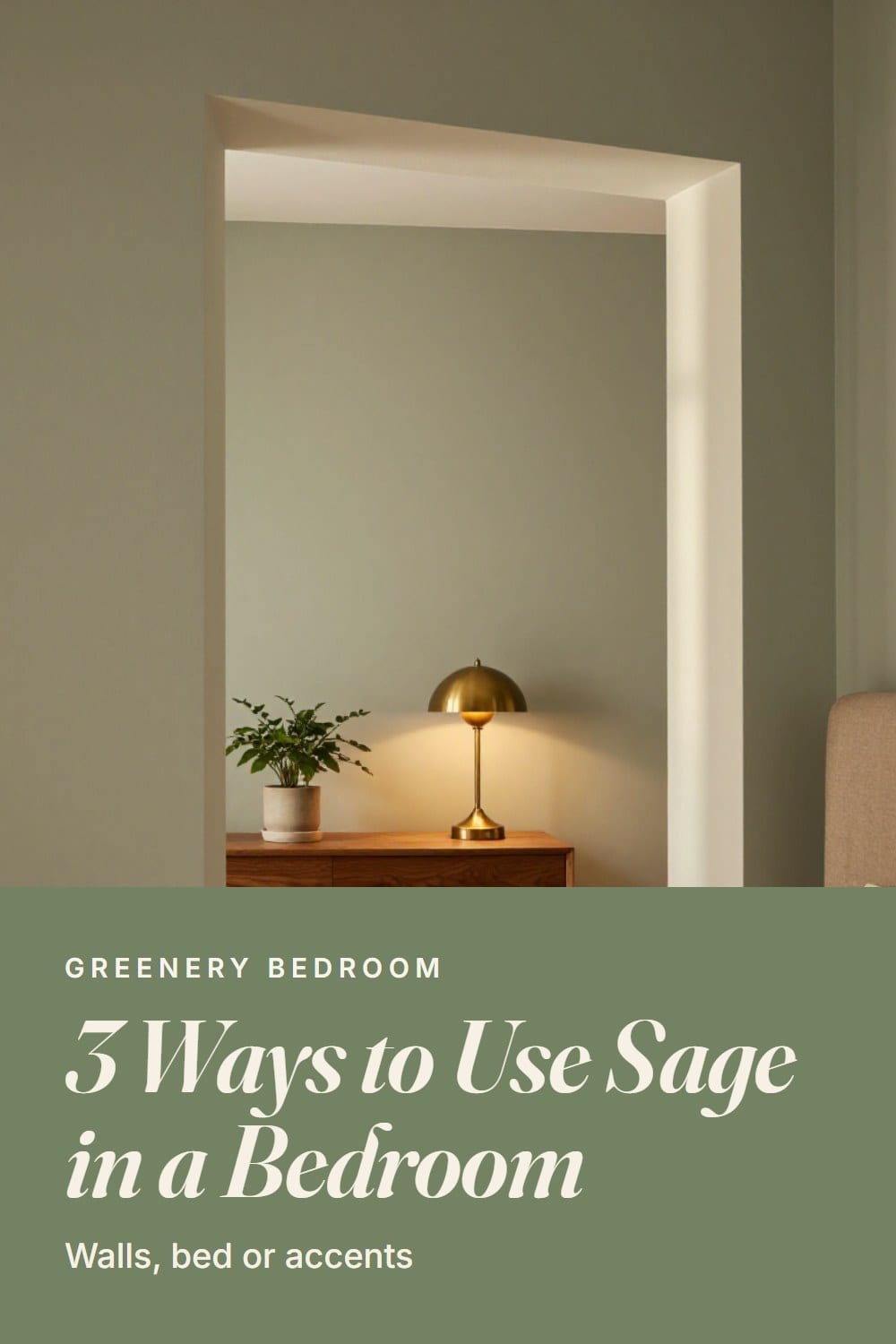
Why sage green works in a bedroom
Start with how loud a color is. Designers call that chroma, and sage has very little of it. Take a true green, stir in gray and a drop of warmth, and you get a color your eye doesn't have to work to look at. That's the whole trick. A bedroom is the one room where nothing should be demanding your attention.
The undertone matters more than the shade. A good sage leans gray-green, with a faint yellow or a faint blue hiding in it. Hold a swatch against a sheet of printer paper and you'll see it. Warm sages look slightly creamy, cool ones look slightly silver. Both are fine. They just want different neighbors.
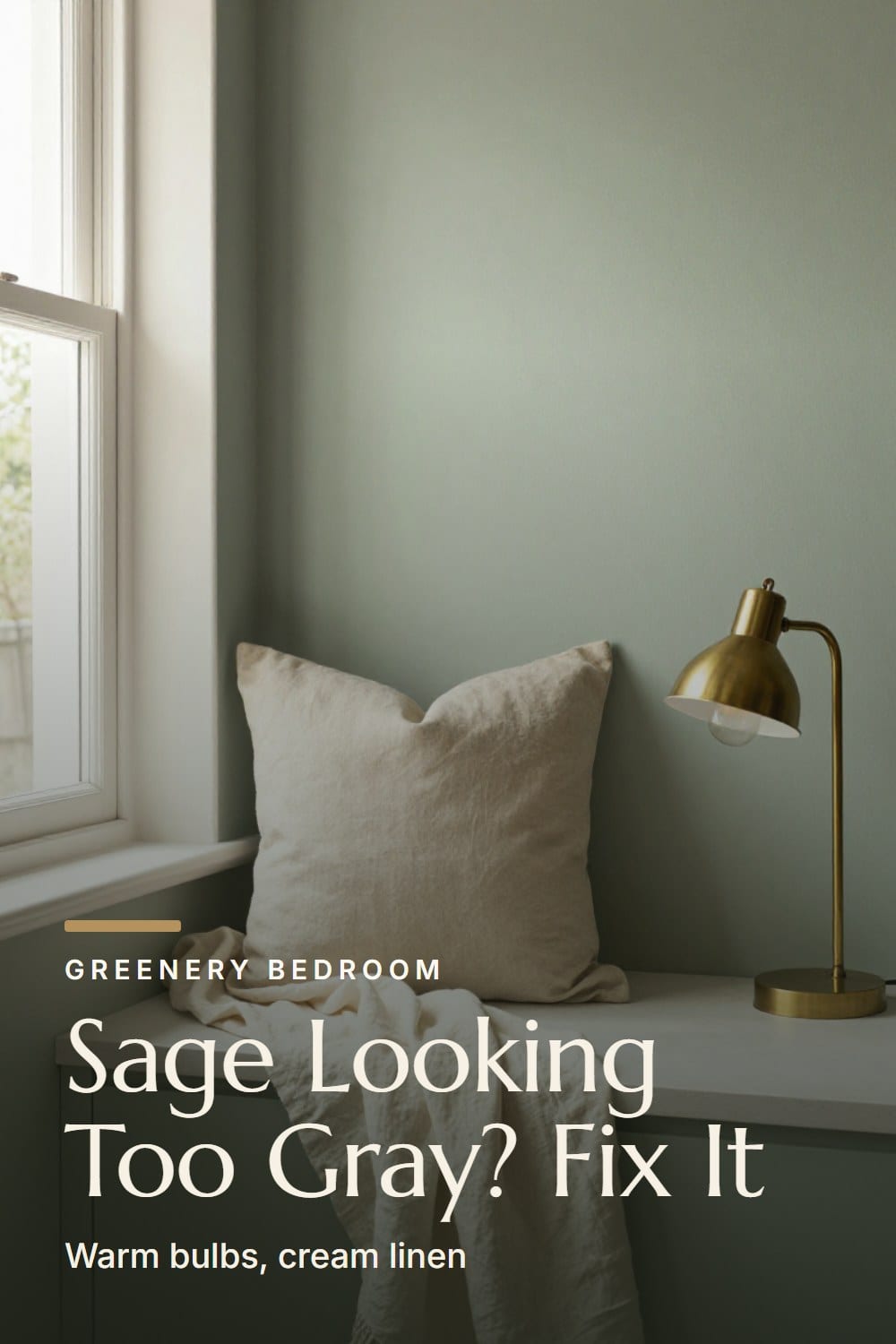
What took me a year to notice is how it behaves across the day. In the cool light of seven in the morning it reads quiet and a little gray. Under a 2700K bulb at ten at night it picks up some warmth and goes soft, like the underside of an olive leaf. Plenty of colors only look good at one end of that.
There's a bigger reason it's everywhere right now, too. Pinterest's 2026 palette moves away from muted minimalism and toward nature greens, and it names jade as the green that's softer than emerald and richer than sage. Sage is the quiet end of that shift. I'll point you to the richer end further down.
Three ways to use sage in a bedroom
You can bring sage in through the walls, the bed or the accents. One of those is enough. Two makes a room. All three in the same shade starts to look like a hotel lobby, so if you go for all three, change the depth: a pale wall, a mid-tone duvet, a darker pillow or two.
Sage on the walls
Walls are the biggest commitment and the biggest payoff. Since you own the place, you have four real options, and each one feels different.
- Paint. Matte or eggshell, two coats over primer. Matte hides wall flaws and looks the softest. Eggshell wipes clean. For most rooms, pick a gray-green with a little warmth in it.
- Limewash. A cloudy, slightly mottled finish, like old plaster. It suits a sage with some depth and makes a plain drywall room look like it has some age.
- Panelling. Board and batten or simple shaker panels, painted one sage from baseboard to top rail, usually 36 to 48 inches up. It adds a shadow line and some weight.
- Wallpaper. A grasscloth or a quiet botanical in sage, usually on one wall. Texture does a lot of work here because the light catches it.
Whichever you choose, test before you commit. Paint a 24-inch square on two different walls and live with it for three days, checking in the morning, at midday and at night. If you're still choosing the actual can, the sage paint guide goes through specific colors seen in real light.
I skipped that step the first time. I held a sample up at noon, loved it, and painted. At nine that night under the lamp, the wall looked like a dentist's waiting room. Look at yours after dark before you buy gallons.
Sage on the bed
If walls feel like too much, start with the bed, since it's the first thing anyone sees. A sage duvet in washed linen, somewhere around 150 to 190 GSM, drapes loosely and keeps its gray. Pair it with cream or oatmeal sheets and one pillow in a darker green.
Linen wrinkles on purpose, and that works in your favor here. The creases catch light and break the color up, so it never reads flat.
I bought a polyester sateen duvet in sage first. Under the lamp it went shiny and slightly minty, and it pilled by February. Natural fibers hold the gray in sage. Synthetics tend to shout it.
An upholstered headboard is the other route. Sage velvet or a tight-weave bouclé becomes the one green piece in a cream room, and a good frame will outlast three paint colors.
Sage in the accents
Accents are the easy yes. Floor-length curtains in lined sage linen, hung four to six inches above the window frame, soften a room faster than almost anything else. A glazed green lamp base. A single armchair in the corner. One pillow.
Plants belong here too, if you like them. Keep your expectations honest, though. They're for looks and the small routine of watering, not for cleaner air. The famous study behind that idea was a sealed lab chamber, and a later review found you'd need far more plants than any bedroom holds to match ordinary ventilation.
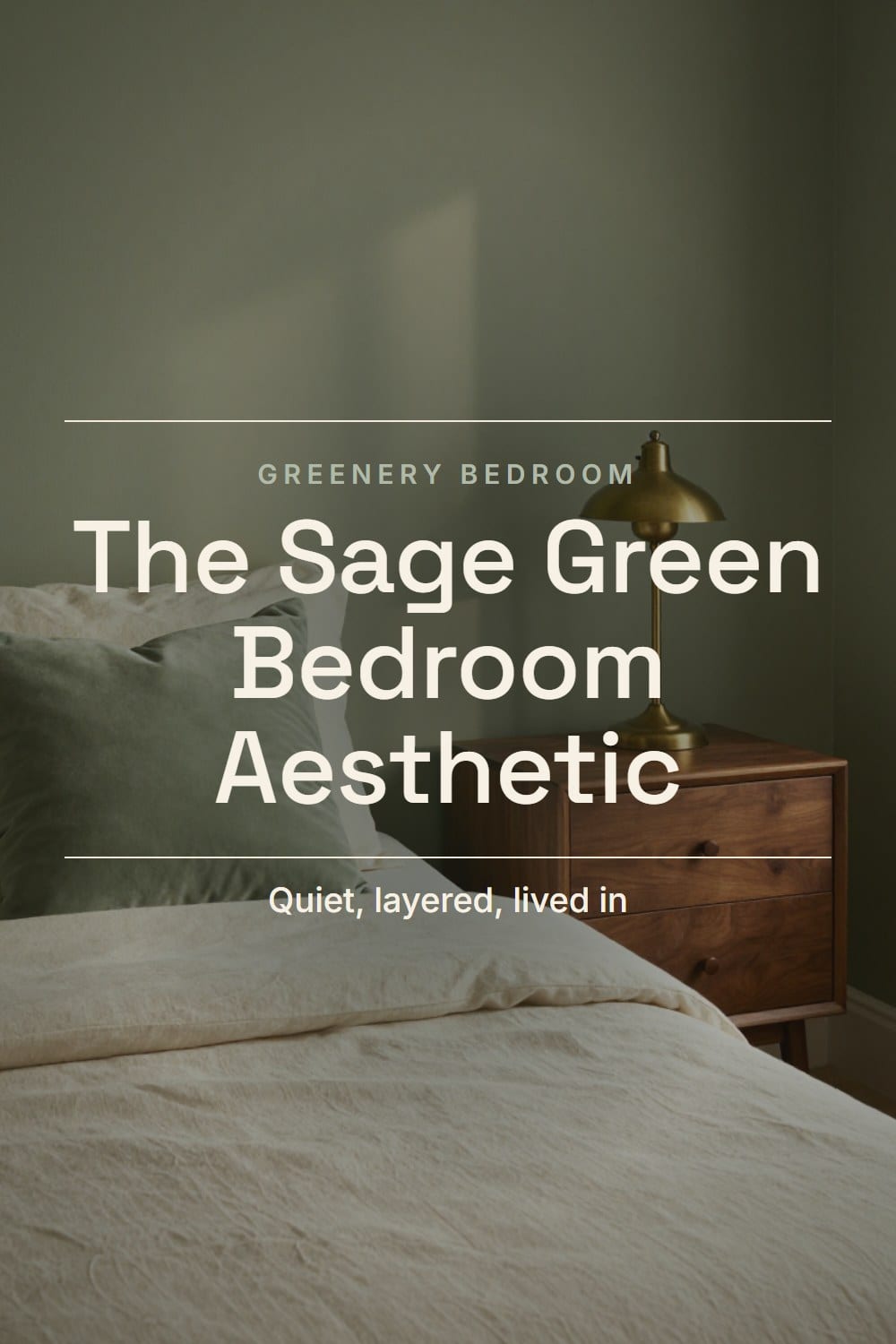
What to pair with sage green
Sage is a borrower, so what it sits next to decides whether the room reads warm or cold. These six pairings do the most for it.
- Cream. The safest partner. Think heavy cream in a pitcher, not printer paper. It warms the gray right out of sage.
- Oatmeal linen. Oatmeal is cream with some earth in it. A throw, a headboard or curtains in oatmeal give the room a quiet middle layer.
- Walnut. Dark, warm wood makes sage look richer and anchors a color that can otherwise float. A walnut dresser or a pair of nightstands is enough.
- Aged brass. Brass picks up the yellow hiding inside sage. Choose aged or brushed. Polished brass looks flashy against that much quiet.
- Terracotta. A clay-red pot, lamp base or pillow sits opposite green on the color wheel and makes it look greener. The sage and terracotta guide shows how far to take it.
- Warm white. A white with a touch of cream in it. Bright, blue-leaning white makes sage look dingy by comparison.
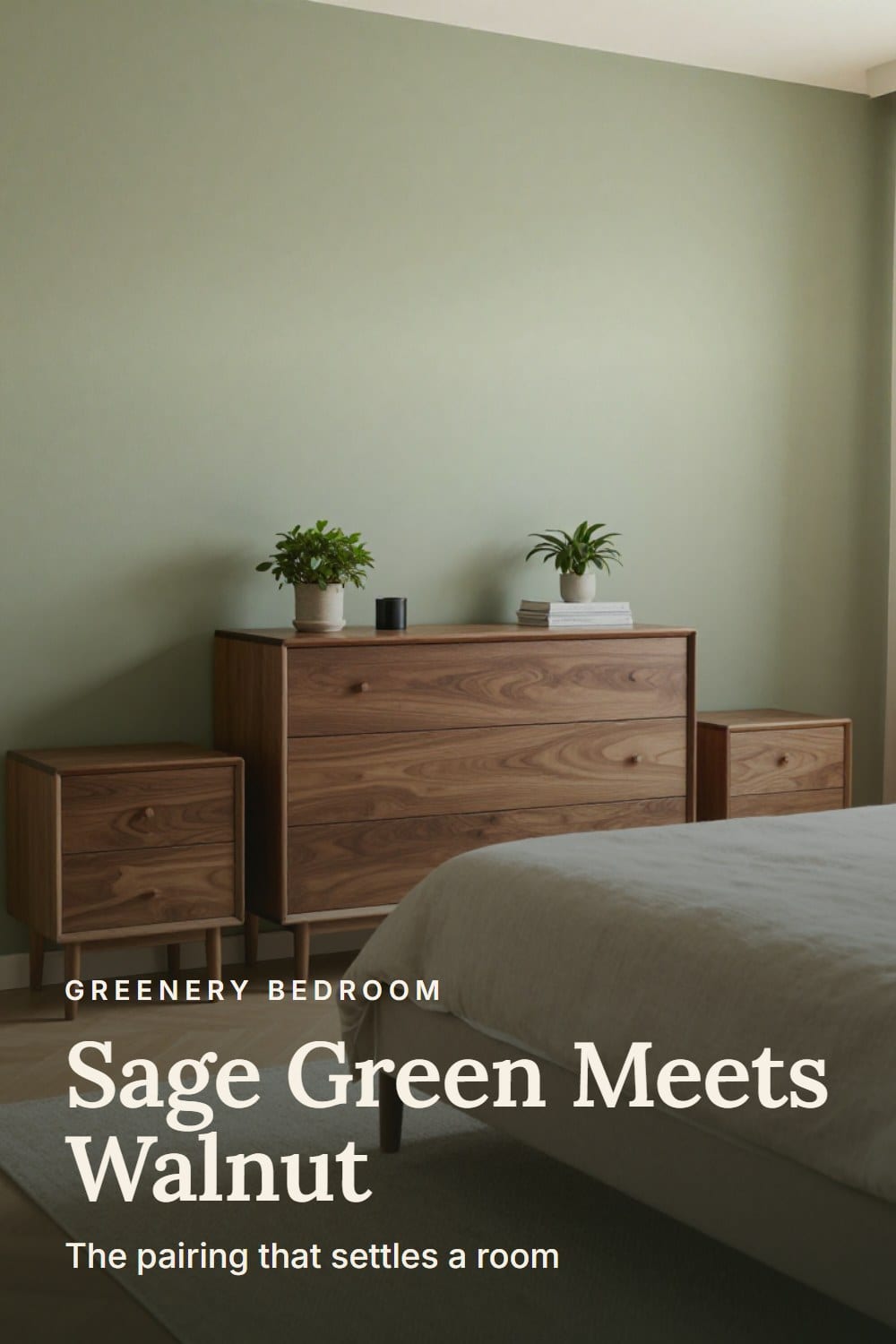
If you're nervous, use a rough ratio. About half the room in sage and other soft greens, a third in cream and oatmeal, and the rest split between wood and metal. It's easy to check by squinting at the room from the doorway.
How the light in your room changes your sage
Same color, four different rooms. The direction your window faces rewrites the paint.
- North-facing. Cool, bluish light pulls sage gray and flat. Choose a warmer, yellow-leaning sage and lean on cream and brass.
- South-facing. Strong warm light can push sage toward yellow-green. A gray-leaning sage keeps it in check.
- East-facing. Fresh and clear in the morning, flatter by afternoon. That's fine for a room you mostly use at night and at dawn.
- West-facing. Golden in the afternoon, then dim. Sage glows here by evening, which suits a bedroom well.
Then there's the bulb. A 2700K bulb is warm white. Go cooler, around 4000K, and sage turns minty and a little clinical. I swapped every bulb in our guest room last winter and it did more for the color than the second coat of paint did.
Mistakes that make sage look dull
- Matching everything. Sage walls, sage bedding, sage rug, sage curtains. Without a lighter and a darker piece, it flattens into one mid-tone.
- Cool metals and bright white. Chrome and blue-white sheets fight the warmth that sage needs. Swap them for brass and cream.
- Skipping texture. Smooth sage fabric looks like a flat swatch. Linen, bouclé and a chunky knit throw give the color some depth.
- Judging it once. One look at one hour of the day is how most repaint weekends start.
Which green is yours
Sage isn't the only green worth sleeping next to. If something above didn't fit your room, one of these probably does.
- You want something warmer. Olive leans yellow and earthy, and it's easier to live with than it looks. Start with olive green bedroom ideas.
- You want drama. Forest green deepens a room without making it feel small, if you plan the light. See dark green bedroom ideas.
- You want it crisp. Green with plenty of white reads fresh, not clinical, when the whites are warm. The green and white bedroom guide covers it.
- You want a warm palette with wood. Sage and terracotta is the one to read.
- You want richer. That's the 2026 jade green, softer than emerald and deeper than sage, in the jade green bedroom guide.
- You're picking a can of paint. The best sage green paint colors are seen in real light.
- You only want one wall. Paint, limewash, panelling and wallpaper are compared in the accent wall behind the bed guide.
Keeping it calm through the seasons
The walls stay put. The layers change. In spring and summer, swap the heavy duvet for a lightweight sage cotton coverlet and let the curtains hang open. In autumn, bring in an oatmeal wool throw and one terracotta pillow. In winter, add a velvet cushion and a second lamp on a warm bulb.
January is when most of us reset the bedroom, and sage handles it well because the room already feels like a long breath out. You rarely have to buy anything. You move what you own.
December is the same room with a few additions. If you want that version, the green Christmas bedroom guide shows how to dress it without turning it kitschy.
The Green Bedroom Color Planner
The printable is being finished. It will live here, free, with no sign-up wall.
Sage green bedroom questions
Frequently asked
Is sage green a good color for a bedroom?
What color bedding goes with sage green walls?
Why does my sage green look gray?
Will sage green go out of style?
Sarah Whitmore
she keeps the teak, she oils it in spring
Sarah has furnished the same porch three times and finally stopped. She writes about what actually survives a decade outdoors — which wood silvers, which fabric fades, and which inexpensive piece quietly reads the same as the expensive one.
SarahMore from this corner
 Bedroom Sanctuary
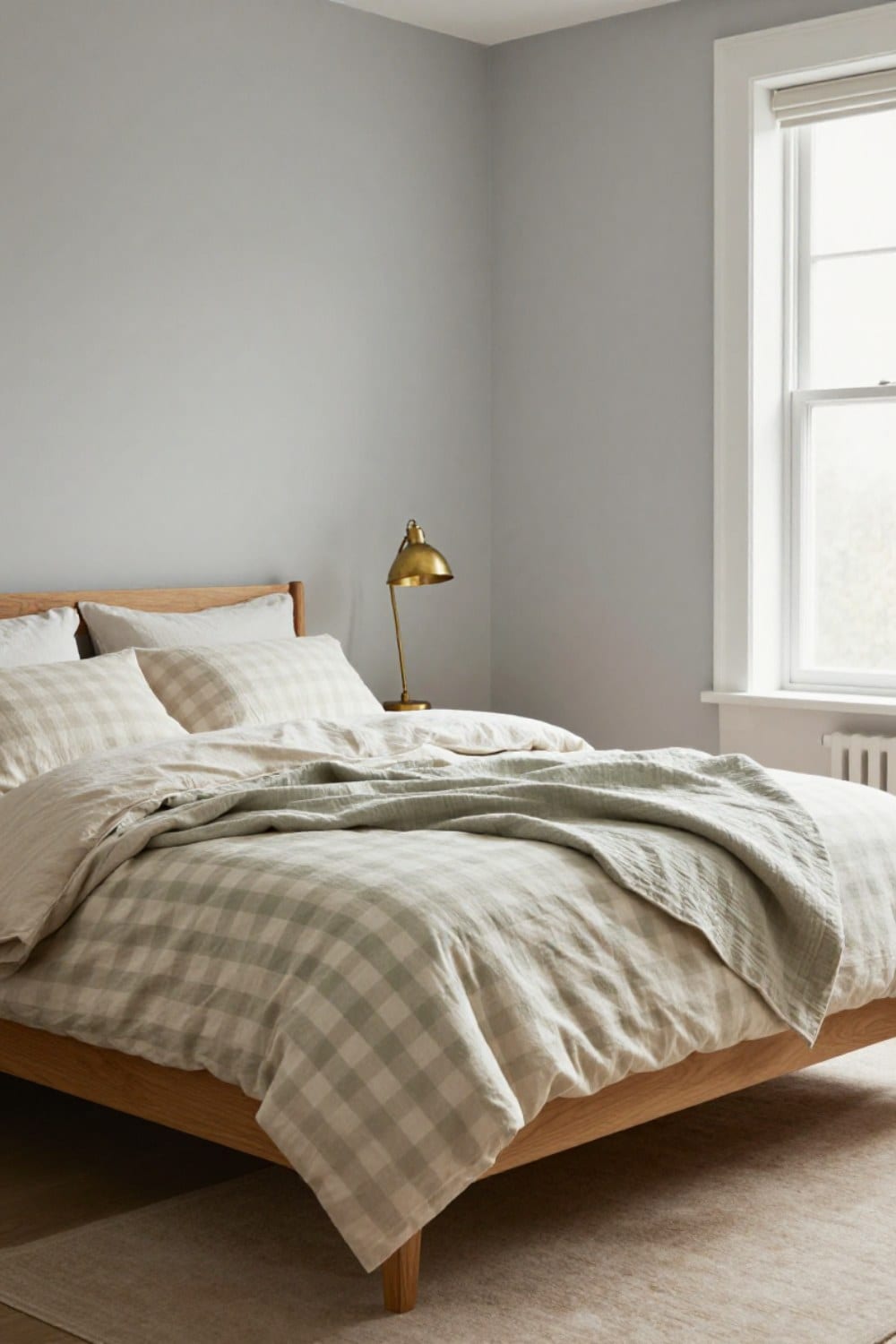
Green Gingham Bedding: How to Style It So It Looks Grown-Up
Green gingham bedding can look calm and collected instead of nursery. Here is how to choose the check size, keep it to one layer, mix it with other patterns and pair it with wood so the bed looks grown-up.
Oct 25, 2026 · 10 min read
 Bedroom Sanctuary
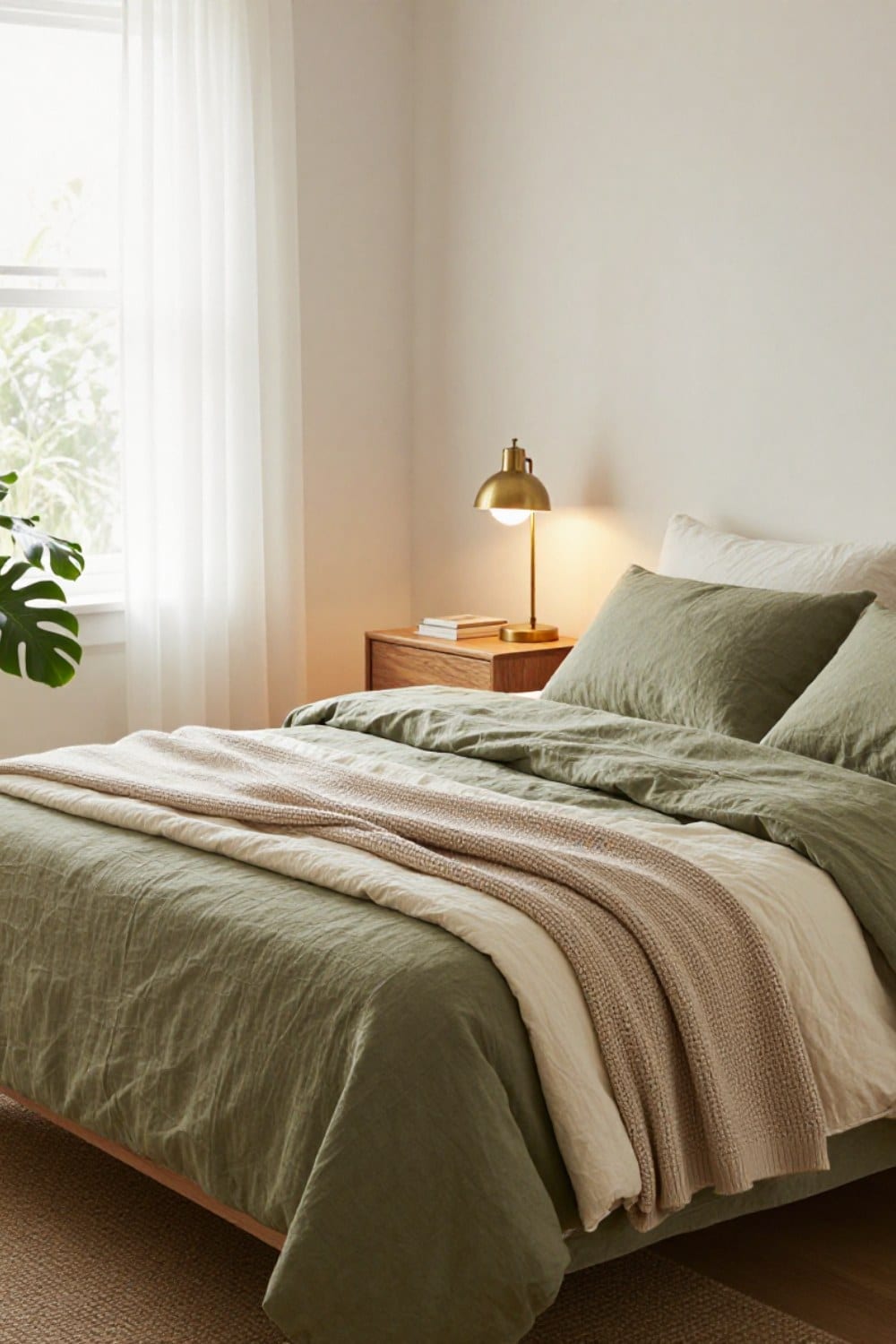
Olive Green Bedding Ideas: How to Make a Green Bed Look Collected
Olive green bedding ideas that make a bed look collected instead of matched: the three-tone rule, the fabrics that read expensive in green, what goes on top, and what belongs on the walls behind it.
Oct 22, 2026 · 11 min read
 Bedroom Sanctuary
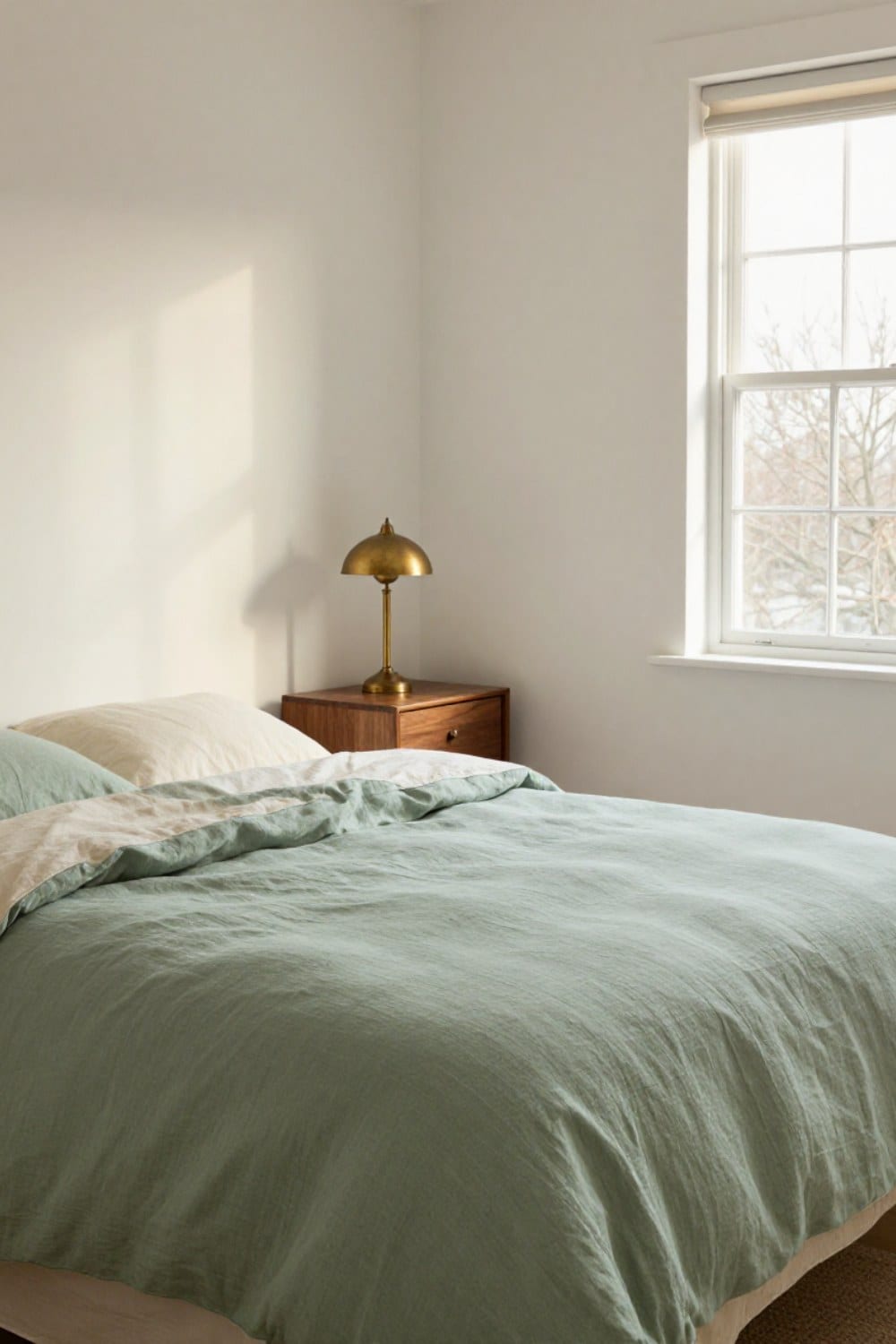
What Color Walls Go With Green Bedding? Six Pairings That Work
Six wall colors that make green bedding look chosen on purpose: warm white, greige, soft plaster pink, taupe, pale sage and deep chocolate or charcoal. Each one comes with the green it suits, how your light changes it, and the wood that ties it together.
Oct 20, 2026 · 11 min read