How to Protect Teak Furniture in Winter (What Actually Needs Doing — and What Doesn't)
Teak has a reputation as the fussy, high-maintenance wood on the patio. It's actually the opposite -- one of the only materials built to winter outside without a second thought, as long as you stop treating moisture and cold as the same threat.

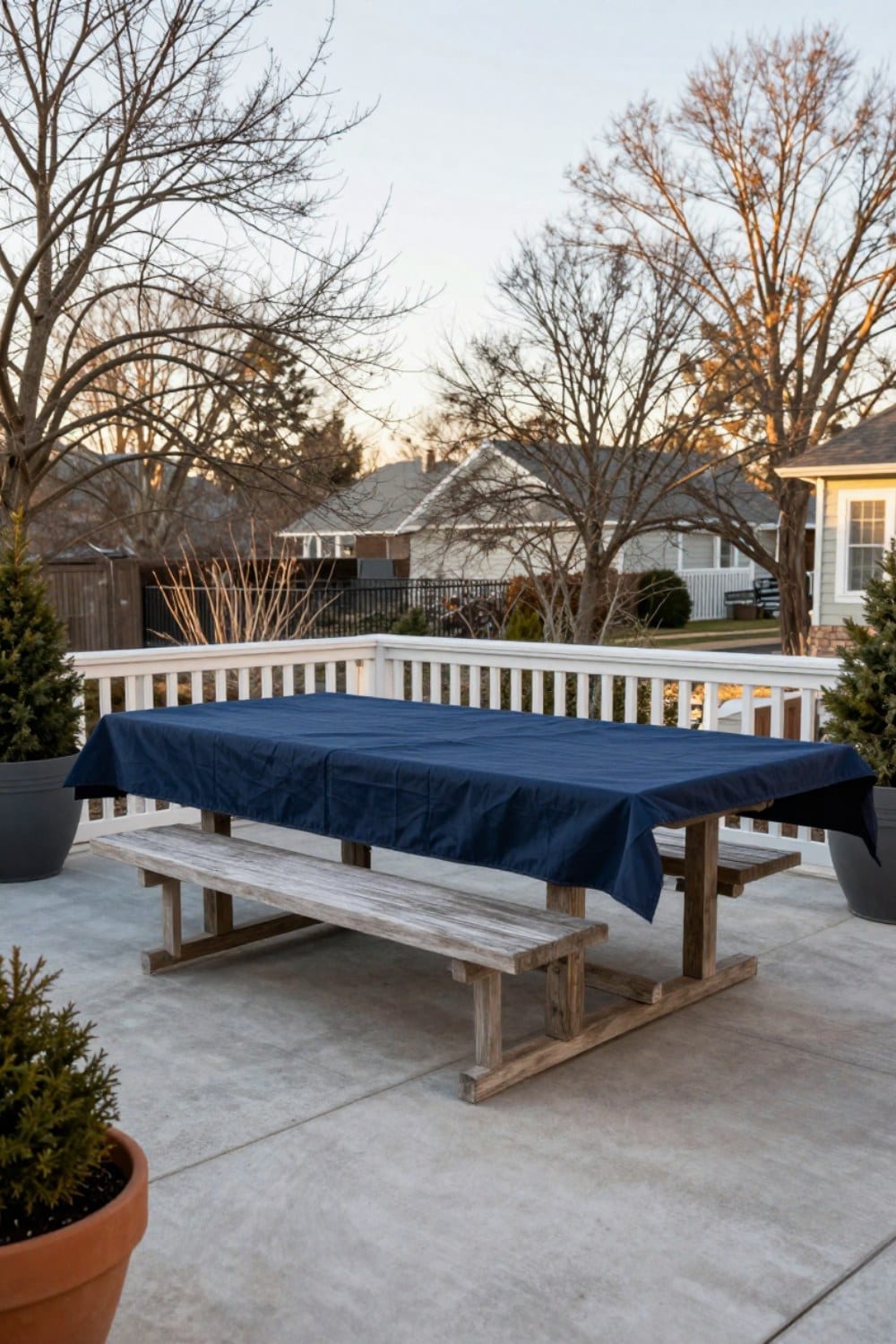
Teak has a reputation for being the fussy, high-maintenance wood on the patio -- the one everyone tells you to baby before the weather turns. It's actually the opposite. Teak is one of the only woods built to winter outside without a second thought, and most of what gets done to it every October works against that, not with it.
Cold isn't the threat here. A hard freeze does nothing to a piece of teak furniture that a real winter didn't design it for in the first place. What actually damages teak over a cold season is trapped moisture and standing water -- the same two things that damage almost every other outdoor material, just easier to avoid with teak than with anything else you own.
Why Teak Can Take a Real Winter Outside
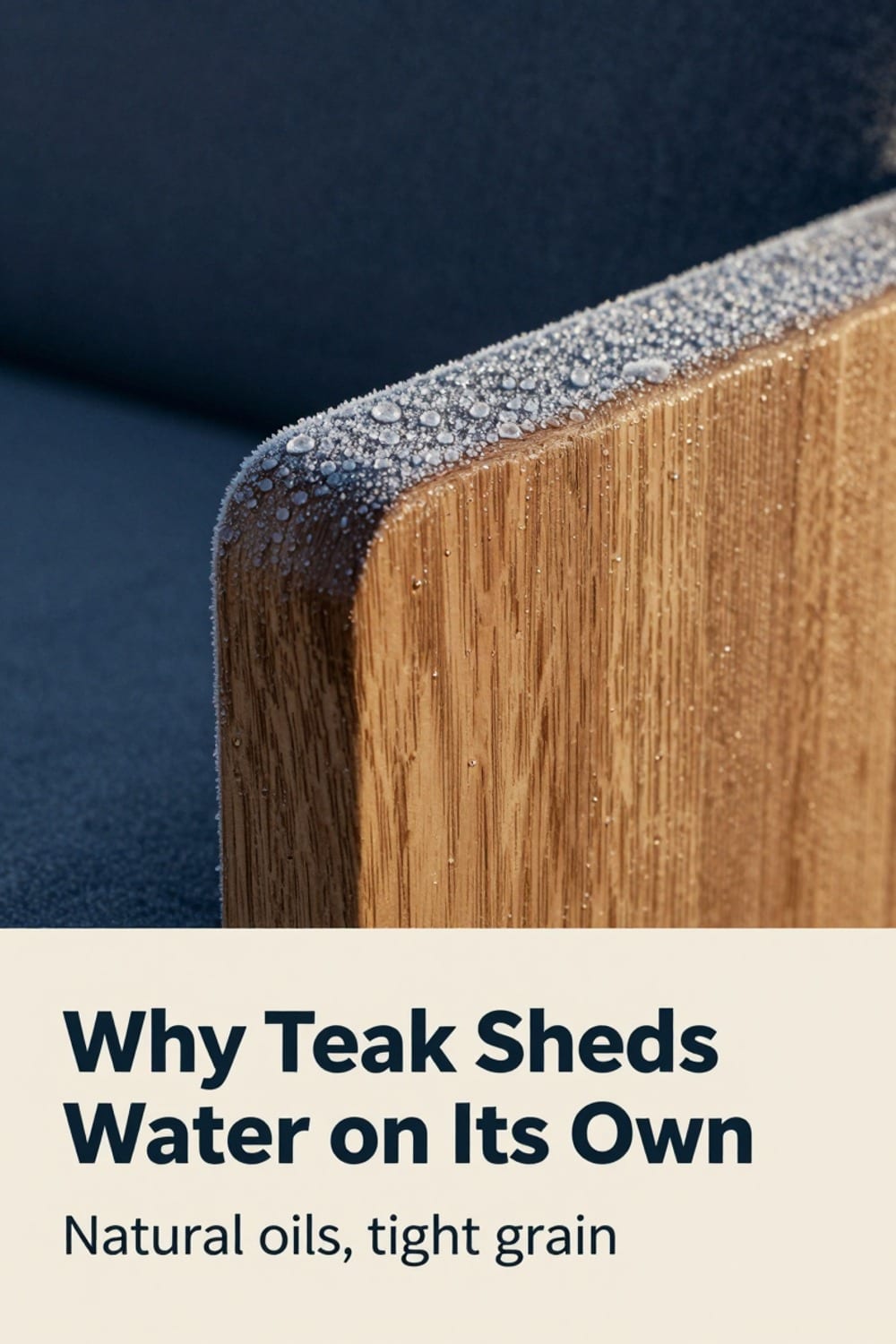
Teak's tolerance for weather comes from the wood itself, not from any finish applied to it. The tree produces a natural oil that saturates the grain, and that oil is what sheds water rather than absorbing it. Combine that with an unusually tight, dense grain structure, and you get a wood that simply doesn't take on moisture the way pine, cedar, or even eucalyptus does.
That's the whole reason teak furniture shows up on porches and docks with no covering at all and comes through fine year after year. Dry, cold air isn't hard on it. What's hard on any wood, teak included, is water that gets in and has nowhere to go -- pooling in a joint, wicking up through end grain sitting in a puddle, or sealed underneath a wrap tight enough to sweat.
The Real Decision: Seal It, Oil It, or Let It Silver
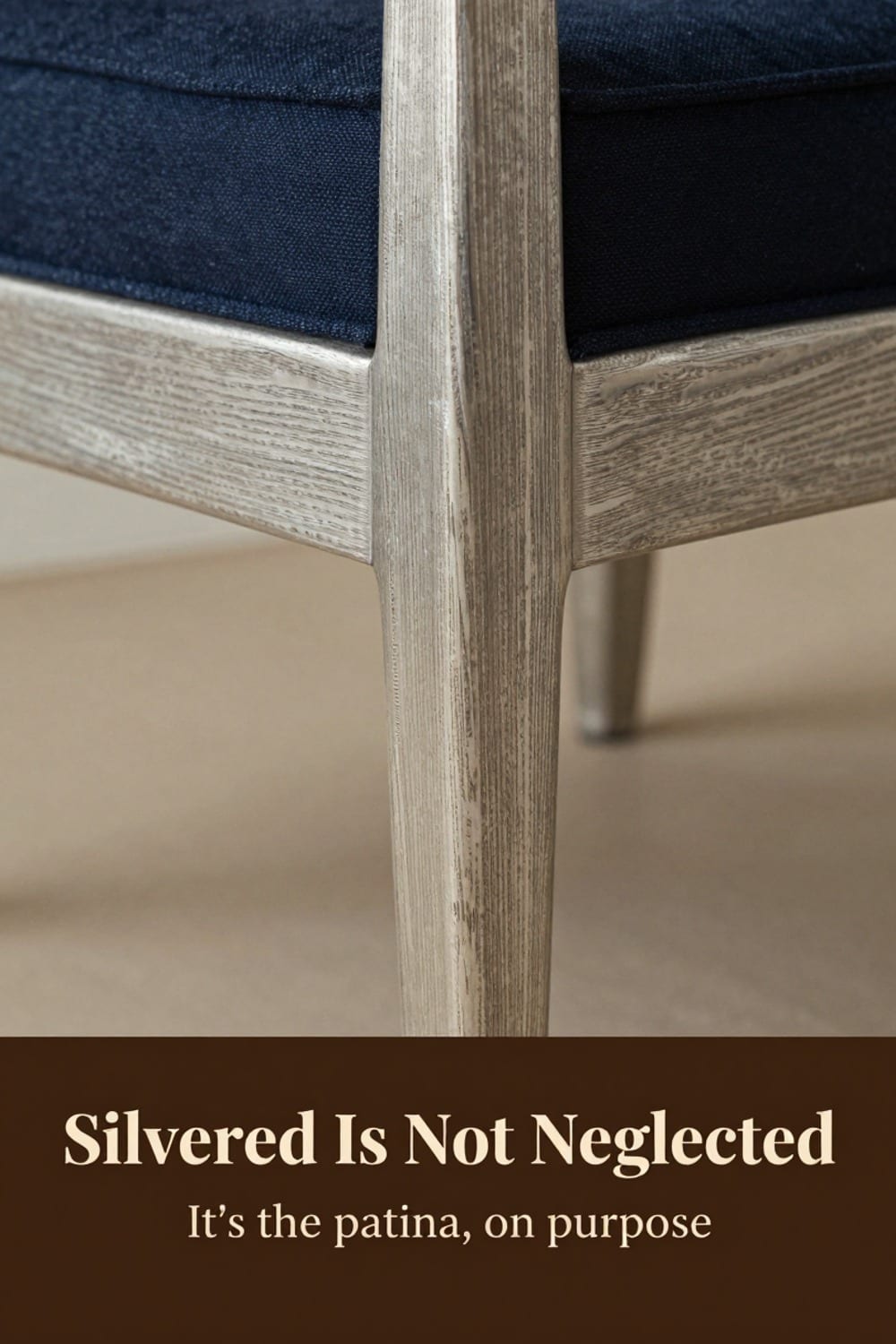
There are really only two directions for teak heading into winter, and the choice matters more than any product involved. You either maintain the honey-brown color with a sealer or oil, reapplied on a schedule, or you let the wood weather naturally to silver-grey and stop maintaining color altogether. Both are legitimate. A well-kept patio uses either finish deliberately -- silvered teak reads as settled and established, not neglected.
What isn't legitimate is doing half of each. Oiling teak right before a wet winter and then wrapping it tightly is close to the worst combination available. Oil doesn't seal the wood shut -- it still needs to breathe and shed the moisture that lands on it through the season. Trap that moisture under a snug cover instead of letting it evaporate, and you've built the exact damp, dark environment mildew needs, right against a surface you just spent an afternoon treating.
TeakSilvered teak is a genuine, designer-preferred finish, not a sign of neglect. If you'd rather keep the honey-brown color, plan on a sealer or oil reapplied each season instead -- never a fresh coat and a tight wrap in the same winter.here's what actually happens →that's the whole story
Left alone, teak turns a soft silver-grey within a year — evenly, if it gets even light. This is oxidation of the surface only; the wood beneath is unchanged and its natural oils keep it from rotting. Oil it if you want the honey colour back, and understand you are then committed to oiling it every spring. Grade A (heartwood, tight grain, no knots) silvers evenly; lower grades go blotchy. Nothing about the greying shortens its life.
Upkeep: One afternoon a year, at most. None, if you like grey.
Clean and Dry It Completely First
Whichever direction you choose, winter prep starts the same way every material on the patio starts: a real cleaning, followed by real drying time, before a cover or a sealer touches the wood. Skip this and you're not protecting teak for winter -- you're locking in whatever pollen and grime built up over the season and giving mildew a head start it wouldn't otherwise have. The full material-by-material sequence for the rest of the patio -- how to winterize patio furniture the right way -- covers that same clean-dry-cover order for aluminium and wicker too, if teak isn't the only thing you're putting away.
The Method: Getting Teak Ready for Winter
Here's the actual sequence, in order. None of it is complicated, and most of it takes an afternoon.
Clean the wood with mild soap and water
Let it dry completely, not just to the touch
Raise it off the patio surface

Decide: oil it, seal it, or let it silver
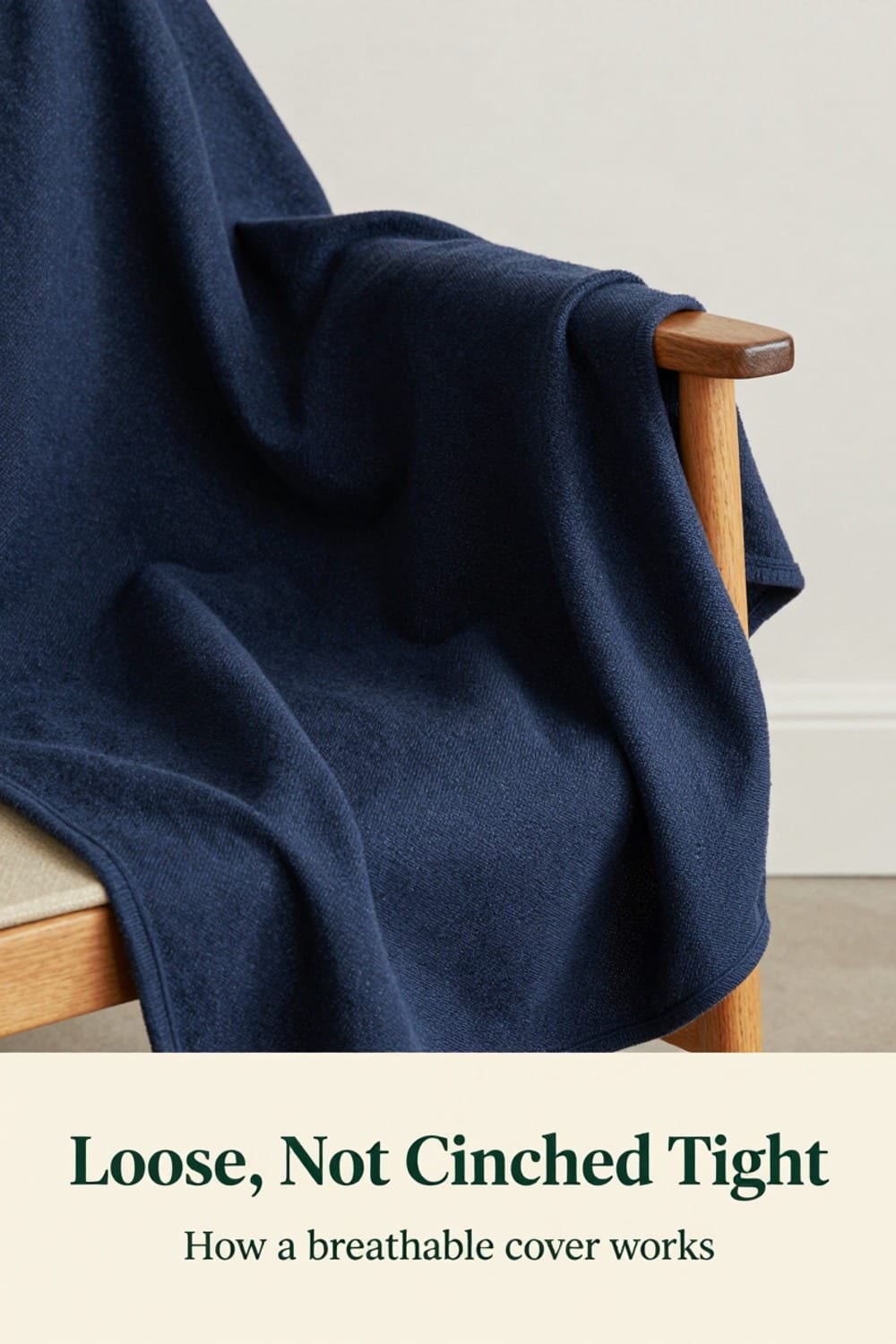
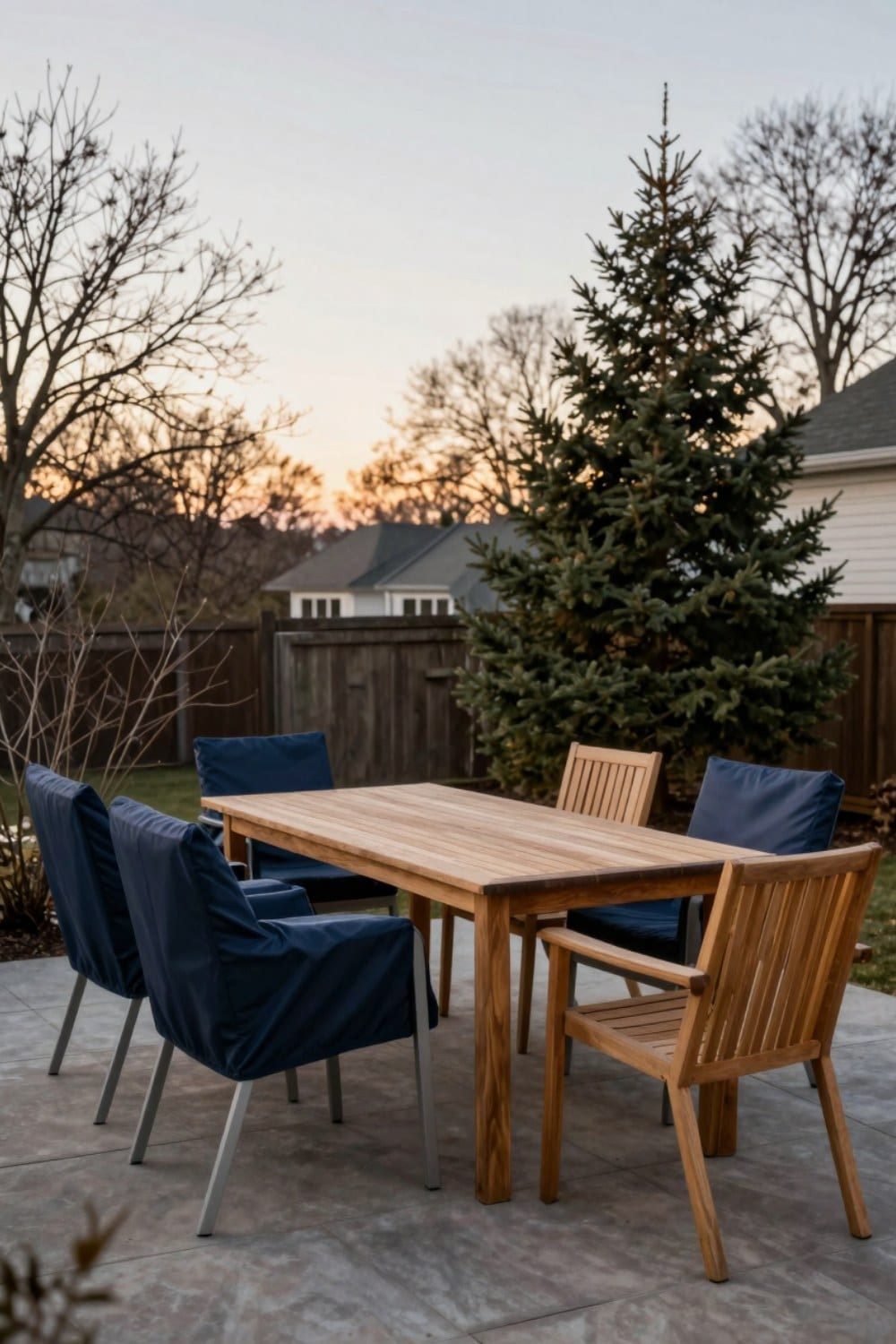
Fit a breathable cover, left loose at the bottom
Check on it once mid-winter
Breathable Cover vs. a Plastic Tarp
A cover's job is to shed rain and block debris, not to seal furniture away from the air entirely. Breathable outdoor fabric does both at once. A plastic tarp only does the first, and it does it at the cost of trapping every bit of condensation that forms underneath for the whole season. If you're shopping for a cover this year, the breakdown of what actually holds up through a real winter goes through the material differences in more depth.
Why You Shouldn't Power-Wash Before Winter
A power washer feels thorough, but it does more to teak than clean it. The pressure strips away some of the wood's natural oils along with the grime, and it can raise the grain enough that the surface feels rough once it dries -- neither of which is what you want heading into a season where that oil is doing real protective work. A soft brush and hand-washing get teak clean without stripping the one thing that makes it winter-hardy in the first place.
If It's Already Grey, Leave It Alone
If your teak has already gone silver, there's nothing to do about it before winter beyond the usual clean and dry. That grey isn't damage and it isn't a stain to correct -- it's an even patina that forms as the wood's surface oils weather out, and it's the finish plenty of designers choose on purpose rather than fighting with sealer every spring.
When Bringing It Inside Can Backfire
Moving teak into a heated garage or a finished basement for winter feels like the safest option, but it can work against the wood. Indoor heat dries teak out much faster than an unheated space or the outdoors would, and that faster drying can cause checking -- the small surface cracks that show up when wood loses moisture quicker than the grain can adjust to it. If you do bring it in, an unheated garage or shed is the better choice than a warm basement, and either way, teak genuinely doesn't need to come inside at all to get through winter intact.
The care calendar
The same teak set, tracked from the first cold snap to the morning the cover comes off for good.
- October
Clean the wood and let it dry a full day longer than feels necessary. Decide oil, seal, or bare before anything else touches it.
- November
Raise legs off the patio surface, then cover breathable and loose at the bottom, or leave it bare if that's the choice.
- December-January
Check after any major storm for pooling water on top of the cover, and brush off heavy snow before it compresses into ice.
- February-March
On the first mild, dry stretch, pull the cover back and let the wood air out for a few hours before the true spring uncovering.
The Teak Winter Care Card
The printable is being finished. It will live here, free, with no sign-up wall.
Common Mistakes That Undo a Good Teak Winter
Most teak damage over winter doesn't come from one bad storm. It comes from a handful of small, repeatable choices made in October and November.
- Oiling or sealing teak and then wrapping it tightly, which traps humidity against the exact surface you just treated
- Covering teak before it's fully dry, sealing existing moisture in rather than keeping new moisture out
- Leaving legs in direct contact with a cold, wet patio surface all winter
- Power-washing teak right before winter, stripping the natural oils that make it weather-hardy in the first place
- Moving teak into a heated space, drying it out fast enough to crack the grain
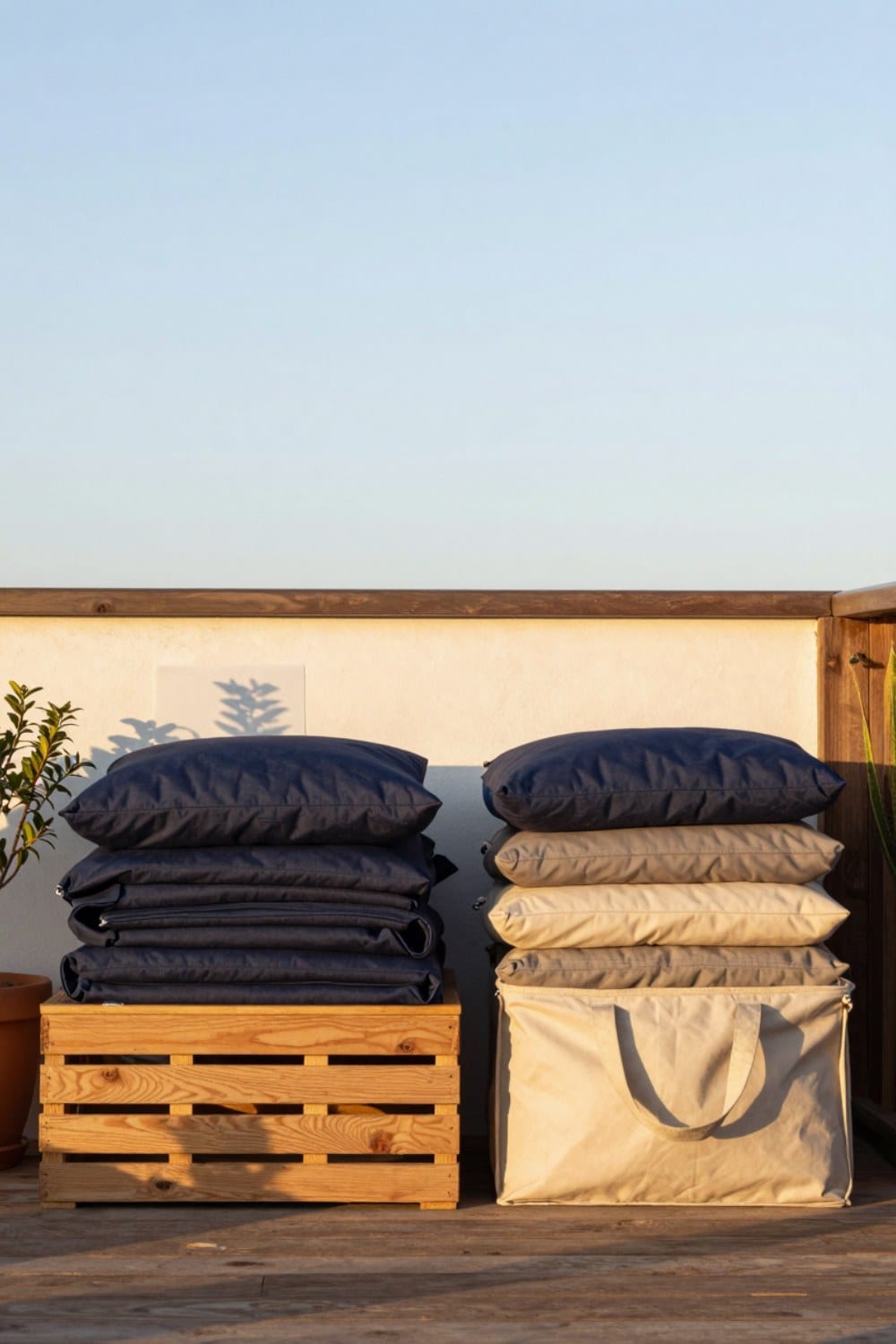
Teak is the easy piece of the winter checklist, once you stop treating it like the hard one. The rest of the patio asks for more attention -- why outdoor planters crack in winter and how to winterize an outdoor fountain cover two more pieces worth handling before the first hard freeze, and ice melt that won't ruin stone steps is worth reading before you reach for the first bag of the season. If cushions are still out on that same set, how to store outdoor cushions for winter is the one piece of this that does need to come inside.
Frequently asked
Does teak furniture need to be covered in winter?
Can teak furniture stay outside all winter?
Should I oil teak furniture before winter or wait until spring?
Why did my teak furniture turn dark and blotchy over winter?
Sarah Whitmore
she keeps the teak, she oils it in spring
Sarah has furnished the same porch three times and finally stopped. She writes about what actually survives a decade outdoors — which wood silvers, which fabric fades, and which inexpensive piece quietly reads the same as the expensive one.
SarahMore from this corner
 Patio Living
How to Winterize Patio Furniture the Right Way (So It Comes Out Perfect in Spring)
Winterizing patio furniture isn't complicated, but it does ask you to treat every material differently. Here's the material-by-material sequence -- clean, dry, cover or store, elevate -- that keeps teak, aluminium, and wicker looking right through to spring.
Jan 24, 2026 · 11 min read
 Patio Living
How to Store Outdoor Cushions for Winter So They Come Out Spotless
Mildew doesn't come from cold, it comes from moisture sealed inside the foam. Here's how to dry outdoor cushions completely and store them somewhere breathable, so they come out in spring looking like you just bought them.
Jan 15, 2026 · 9 min read
 Patio Living
Winter Porch Pots: Cold-Hardy Evergreen Urns That Look Expensive
A winter urn is a florist's recipe, not a bundle of boughs -- a live or cut thriller, layered fir and cedar filler, bare branches for height, and a frost-proof pot that won't crack in a hard freeze. Here's how to build one that still looks pulled-together in February.
Jan 5, 2026 · 10 min read